Nepal Clean Cooking
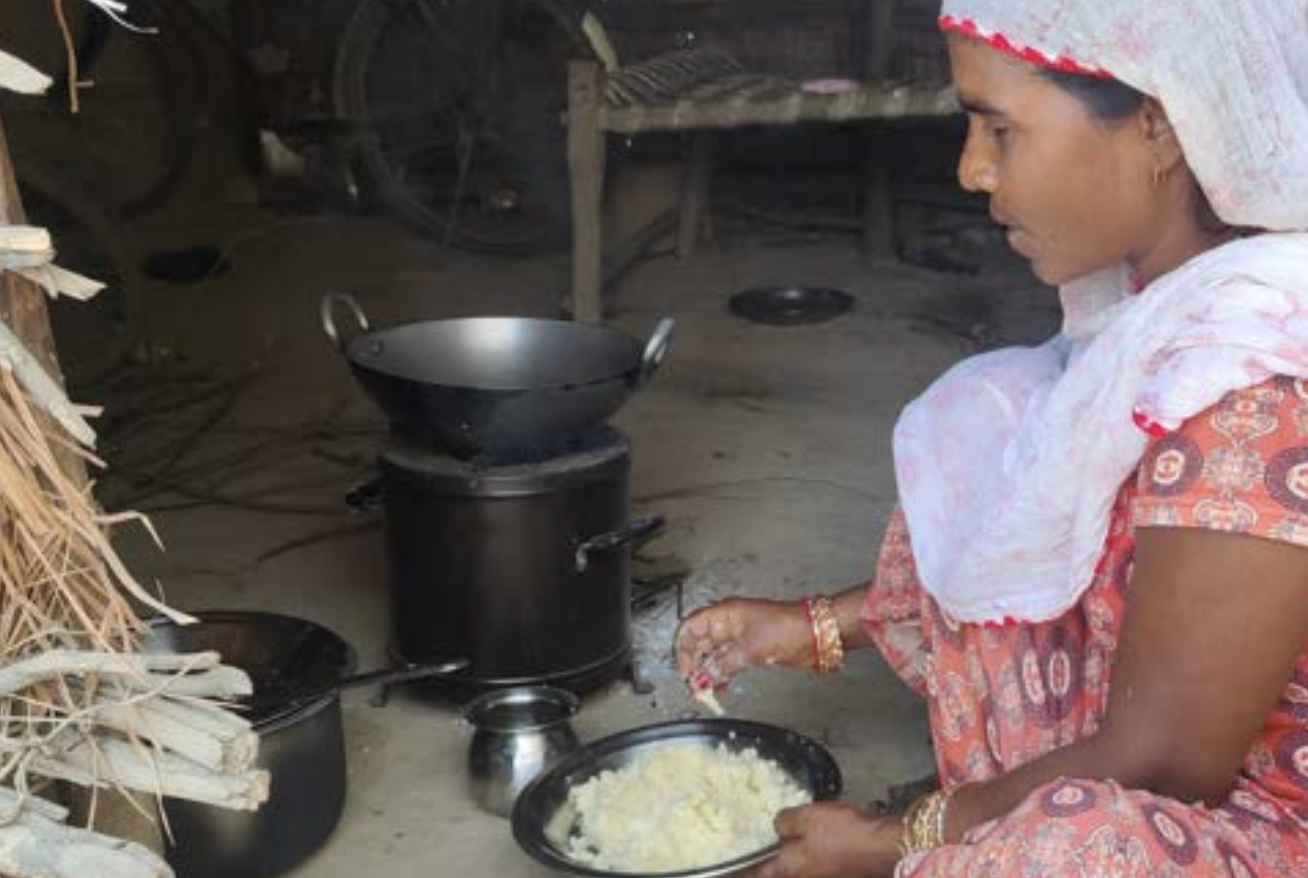


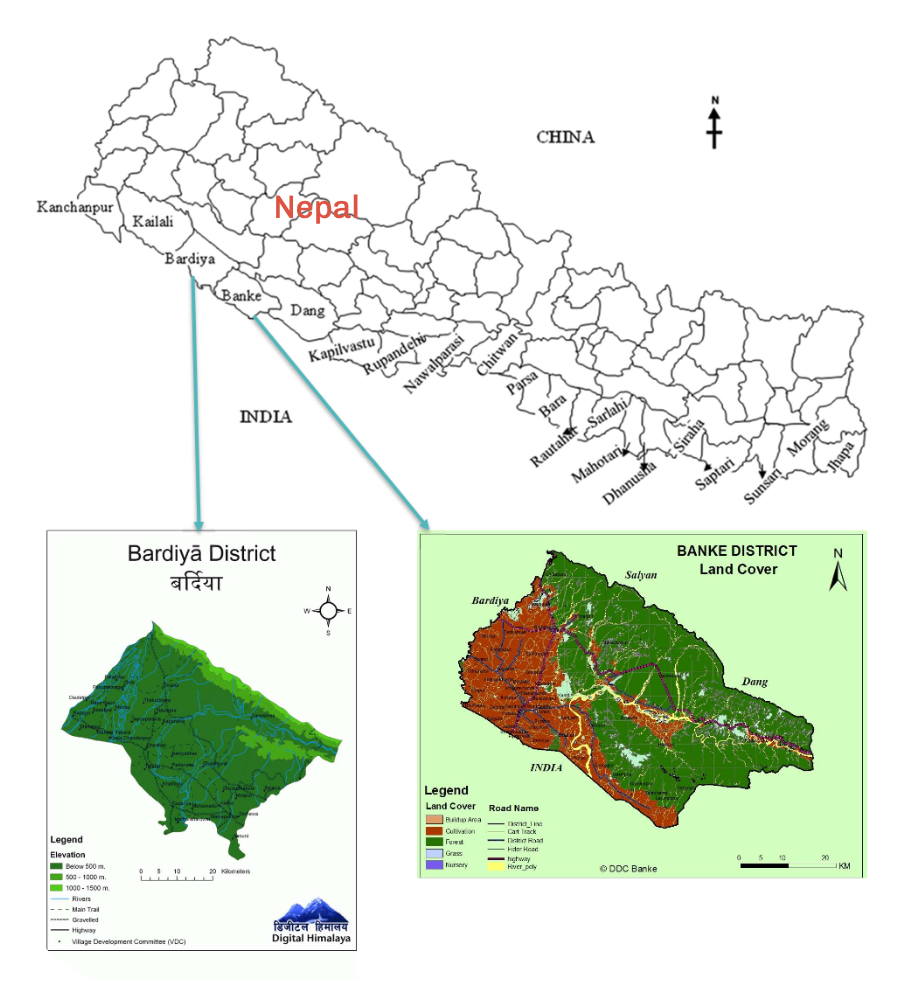
The project is being implemented in Banke and Bardiya districts, in the Terai, the low-lying plains of southern Nepal. Firewood is the main cooking fuel in Nepal, and here most families still cook indoors over traditional open mud stoves fuelled by firewood and cow dung.
The surveys behind the project were carried out here, and they show the need clearly. A baseline health survey found that 98.8% of women aged 21 to 30 are exposed to smoke from these stoves, and a field survey of 108 households measured how much firewood families burn each day. Replacing the stoves cuts smoke, fuel use and emissions for 20,000 households.

Gold Standard is a globally recognised certification body for high-quality climate and sustainable development projects. Established in 2003 by WWF and other NGOs, it ensures that projects not only reduce carbon emissions but also contribute to the United Nations Sustainable Development Goals (SDGs). Projects certified by Gold Standard must demonstrate genuine and measurable impacts on both the environment and local communities.
In short
Nepal Clean Cooking is a Gold Standard carbon credit project that replaces traditional open mud stoves with 20,000 efficient, near-smokeless improved cookstoves in Banke and Bardiya districts, in Nepal's Terai region. It is expected to reduce around 62,638 tonnes of CO₂e a year, cut household firewood use by 6.5 kg a day and create around 300 local jobs. Credits are available through SkootEco, a Certified B Corporation.
Key facts
- Project type: Clean cooking (improved cookstoves)
- Location: Banke and Bardiya districts, Terai region, Nepal
- Registry and standard: Gold Standard
- Methodology: TPDDTEC v4.0 (Technologies and Practices to Displace Decentralized Thermal Energy Consumption)
- Households reached: 20,000 (around 100,000 people)
- Average annual emissions reductions: 62,638 tCO₂e
- Reductions over first five years: 313,190 tCO₂e
- Firewood saved: 6.5 kg per household per day
- Stove thermal efficiency: 35.4%
- Local jobs created: Around 300
- Project start: 1 January 2023
- Crediting period: 5 years, renewable for a further 10
- Credit vintage: 2023
- Funding: Fully self-financed, no public funding
What problem does the project solve?
Nearly 1 in 3 people worldwide still cook without clean fuel or technology. In Nepal's Terai, a baseline health survey found that 98.8% of women aged 21 to 30 are exposed to smoke from traditional mud stoves, which burn firewood and cow dung. Cough (14.7%) and phlegm (9.9%) were the most commonly reported symptoms. Every meal cooked this way means smoke in the kitchen, hours spent collecting fuel and wood taken from local forests.
How does the improved cookstove work?
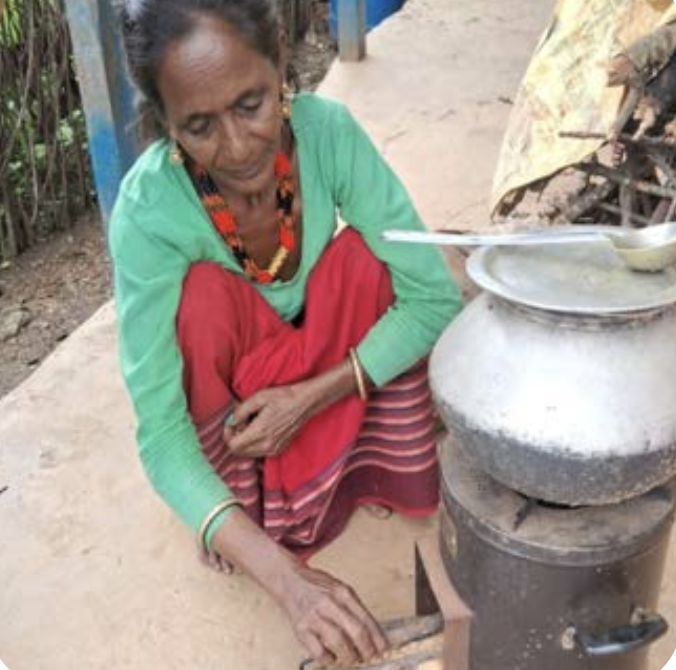
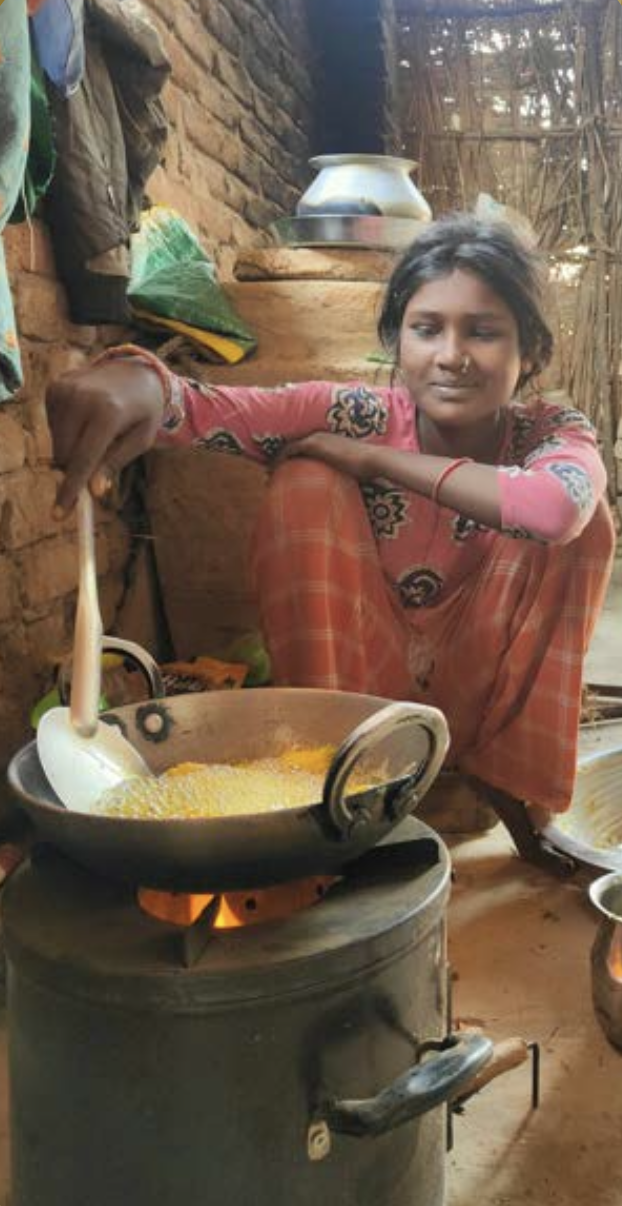
The project is distributing 20,000 improved cookstoves to households across Banke and Bardiya. Built from steel and aluminium with insulated walls, the stove is portable, near-smokeless and burns firewood at 35.4% thermal efficiency, well above the 20% minimum required by the certification methodology. It runs on the same fuel families already use, so there is no new fuel to buy and no change in habits, and it is designed to last seven years.
A field survey of 108 households found families burning around 9.5 kg of firewood a day on their old stoves. With the new stove, that falls to about 3 kg. Across 20,000 homes, that adds up to roughly 47,000 tonnes of firewood saved every year.
How much impact will the project have?
- 20,000 households receiving a cookstove, around 100,000 people based on an average household size of five
- 62,638 tCO₂e average annual emissions reductions
- 313,190 tCO₂e over the first five-year crediting period
- 6.5 kg firewood saved per household, per day
- 35.4% thermal efficiency, against a 20% methodology minimum
- 300 local jobs create
What changes for a family?
The project's own assessment expects every participating household to see the same three gains: lower spending on fuel, noticeably less smoke and time handed back. Hours once spent gathering wood and tending a smoky fire can go to work, school, rest or family. For a woman cooking three meals a day, that is a real change to the day.
Why can buyers trust the credits?
The project is fully self-financed, with no public funding or development aid behind it. Each household formally transfers its rights to the emissions reductions, so credits come with clear ownership and consent. The project is certified under Gold Standard using its cookstove methodology (TPDDTEC v4.0), with all nine Gold Standard safeguarding principles assessed. Its crediting period runs for 5 years and can be renewed for a further 10.
When you buy credits from this project, you are backing real stoves in real kitchens, with the emissions reductions independently verified.
Frequently asked questions
What is the Nepal Clean Cooking project?
Nepal Clean Cooking is a Gold Standard carbon credit project that replaces traditional open mud stoves with 20,000 efficient, near-smokeless improved cookstoves in Banke and Bardiya districts, in the Terai region of southern Nepal. It reduces firewood use, indoor smoke and greenhouse gas emissions.
How much carbon does the Nepal Clean Cooking project reduce?
The project is expected to reduce an average of 62,638 tonnes of CO₂e a year, or 313,190 tonnes over its first five-year crediting period. Each Gold Standard credit represents one tonne of CO₂e.
How does the improved cookstove save fuel?
The stove burns firewood at 35.4% thermal efficiency, compared with a 20% minimum required by the certification methodology. A field survey of 108 households found families using about 9.5 kg of firewood a day on traditional stoves. The project estimates this falls to about 3 kg, a saving of 6.5 kg per household per day.
Is the Nepal Clean Cooking project certified?
Yes. It is a Gold Standard project using the Technologies and Practices to Displace Decentralized Thermal Energy Consumption methodology (TPDDTEC v4.0), with all nine Gold Standard safeguarding principles assessed. Each participating household formally transfers its rights to the emissions reductions.
Which Sustainable Development Goals does the project support?
The project supports eight goals: No Poverty (1), Good Health and Wellbeing (3), Gender Equality (5), Affordable and Clean Energy (7), Decent Work and Economic Growth (8), Responsible Consumption and Production (12), Climate Action (13) and Life on Land (15).
Who benefits from the project?
20,000 households in Banke and Bardiya benefit, around 100,000 people based on an average household size of five. Families spend less on fuel, breathe less smoke and spend less time gathering wood. The project also creates around 300 local jobs.
How is the project funded?
The project is fully self-financed, with no public funding or development aid.
How can my business buy credits from the Nepal Clean Cooking project?
Enquire through this page or book a call with SkootEco. SkootEco, a Certified B Corporation, supports you from procurement to retirement, so the credits are retired in your name.
Last updated: 9 October 2026
Details
More Projects we've supported
.avif)

Brazil Biodiversity and Preservation

Improved Cookstoves in Guinea
Support a Poject
We help you from A-Z through the process.
From procurement to retirement


